Once a customer has decided on lithium iron phosphate (LiFePO4) for home storage, the next question is often the cabinet: a slim pack on the wall, or a floor-standing tower. Both can be the right answer. The wrong choice usually comes from looking only at kilowatt-hours and ignoring space, installation, and how the system will grow.
What the two forms are for
A wall-mounted pack is typically a compact battery for a garage, utility room, or plant room where wall space is available and floor space is tight. On our own catalog, this includes all-in-one home systems in the 5.12 kWh class, where the battery and inverter are specified together in a smaller residential package.
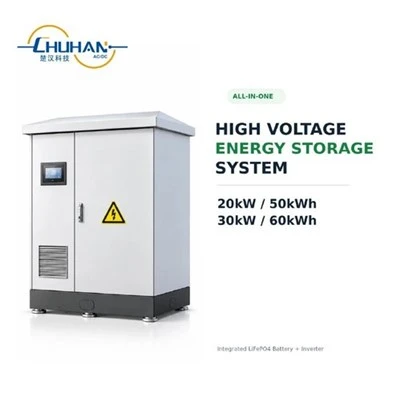
A floor-standing tower is a larger cabinet that sits on the floor, often on casters, and is used when the customer needs more energy in one enclosure. Our 16 kWh home energy storage tower, for example, is a 51.2 V, 314 Ah LiFePO4 all-in-one cabinet with a footprint of about 0.36 m². That is a different conversation from a 5 kWh wall pack: more backup hours, more weight, and a different path through the doorway.
Neither form is "more LiFePO4" than the other. The chemistry is the same class of battery. The difference is how you install it, where it lives, and how much energy you put in the first enclosure.
Start with hours of backup, then look at the room
Capacity should follow the backup list, not the other way around. Lighting, internet, a refrigerator, and a router for a few hours is a different system from running air conditioning or a well pump through the evening.
After you have a target in kilowatt-hours, walk the installation space with the installer:
- Is there a clear wall with enough height and a legal clearance around the pack?
- Or is it easier to roll a tower into place and leave it on the floor?
- Can the unit go indoors, or does it need to sit in a semi-outdoor area?
- Will the battery need to move during commissioning or maintenance?
A tower on casters can be easier to position in a tight plant room. A wall pack keeps the floor clear, but it needs a sound wall and a sensible cable route to the inverter and the distribution board.
Think about expansion before you order the first unit
Some customers will start with one battery and add another later. If that is likely, say so on the first quote. Confirm with the factory how expansion works: a second wall pack, a paired expansion battery, or a larger tower from the start.
Also confirm communication. Home systems commonly use WiFi for app monitoring; some listings also describe CAN or RS485 for inverter communication. The installer needs to know which ports are required to talk to the hybrid inverter you are quoting, not only whether the owner can open an app.
A simple way to brief the factory
Send four facts with the enquiry:
- Required energy (kWh) and whether the figure is for daily self-consumption, backup hours, or both
- Indoor or outdoor placement, and a rough photo or dimensions of the space
- The inverter it must work with, including battery voltage (for example 48 V / 51.2 V class)
- Whether the customer may add capacity later
CHUHAN produces LiFePO4 home storage in more than one form, together with the hybrid inverters and EV chargers that sit around it, at our factory in Yueqing, Zhejiang. Every unit is tested before shipment. If you are deciding between a wall-mounted pack and a floor-standing tower for a distributor line or a specific house, send the four points above and we will help you specify the right cabinet.
Website: https://www.chinachuhan.com/
Email: sales03@chinachuhan.com
WhatsApp: +86 189 6895 8968