EV charging is now a regular line item on solar and storage quotations. The first decision is not the brand on the case. It is whether the site needs AC charging, DC fast charging, or a mix of both. If you get that split wrong, the rest of the specification - cable, plug, transformer, and even the inverter - will have to be revised.
What AC and DC are actually doing
An AC wallbox delivers alternating current to the vehicle, and the charger inside the car does the conversion. That is why AC units are the usual choice for homes, workplaces, and parking spaces where a car sits for hours. Typical AC ratings in a distributor catalog are 7 kW, 11 kW, and 22 kW wallboxes, plus lower-power portable AC chargers for travel or temporary use.
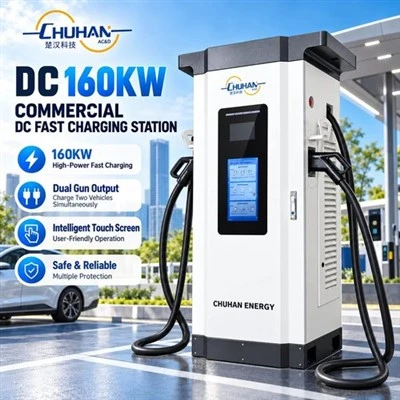
A DC fast charger converts AC to DC in the station itself and supplies DC to the vehicle. It is used when drivers need a short stop: depots, public forecourts, highway sites, and some commercial yards. DC units are specified in a much wider power range, from smaller portable or wall-mounted DC units to 30 kW, 60 kW, 120 kW, and high-power stations for trucks and buses.
For the buyer, the practical difference is dwell time. If the vehicle is parked overnight or during a work shift, AC is usually enough and simpler to install. If the vehicle must leave in 30 to 60 minutes, you are in DC territory.
Lock the site details before you pick a rating
Before you choose 7 kW versus 22 kW, or 30 kW versus 120 kW, confirm:
- How long vehicles actually stay, and how many need to charge at once
- Single-phase or three-phase supply, and how much spare capacity is at the board
- Plug standard in that market: Type 2, Type 1, or GB/T. Do not assume the factory's default plug is the one your customer can use
- Indoor or outdoor installation, cable length, and whether the unit is a socket or an attached cable
- Whether the owner needs app control, RFID, or timed charging
A 22 kW three-phase AC wallbox on a single-phase house will not do what the brochure suggests. A high-power DC station on a weak supply will trip or need a costly upgrade. Those are specification problems, not sales problems, and they should be caught in the enquiry.
How this sits with solar and storage
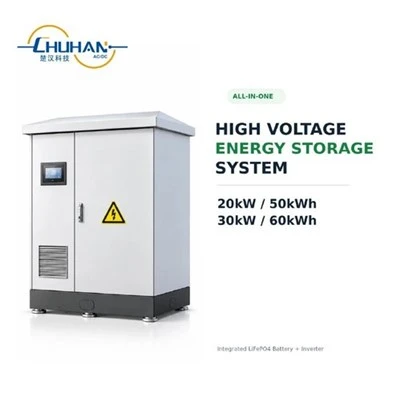
If the same site has a PV array and a hybrid inverter, say so on the charger quote. Daytime AC charging can use solar directly. A depot that charges after sunset will draw from a LiFePO4 battery or from the grid, which changes storage size and may argue for a staggered charging schedule rather than every gun at full power at once.
Treat the charger, the inverter, and the battery as one system when you can. It is easier to set a charging window that fits the solar profile than to add a charger later and discover the board is already full.
What to send with an AC or DC enquiry
- Site type: home, workplace, commercial parking, or depot
- AC or DC, the rating you think you need, and how many charge points
- Plug standard and whether you need a portable unit or a fixed wallbox / station
- Supply type and any plan to add solar or storage
CHUHAN manufactures AC wallboxes and portable chargers as well as DC fast chargers, together with hybrid inverters and LiFePO4 storage, at our factory in Yueqing, Zhejiang. If you are building a distributor range or quoting a specific site, send the points above and we will help you choose an AC, DC, or mixed package you can install without rework.
Website: https://www.chinachuhan.com/
Email: sales03@chinachuhan.com
WhatsApp: +86 189 6895 8968