More homeowners now ask for solar, a LiFePO4 battery, and a place to charge a car - sometimes all in the same enquiry. The charger is often the largest single load you will add later. If the hybrid inverter is sized only for today's lights and air conditioning, the quote will have to be redone when the wallbox arrives.
You do not need a perfect load study on the first call. You do need to treat the EV charger as part of the electrical design, not as an accessory to be added at the end.
Start with the supply: single-phase or three-phase
Match the inverter to the supply the house already has. A single-phase home should be quoted with a single-phase hybrid inverter. A three-phase property should be quoted with a three-phase inverter, especially if the customer wants a higher-power AC charger.
This matters because AC wallboxes are sold in both single-phase and three-phase ratings. A 7 kW charger is commonly single-phase. An 11 kW or 22 kW wallbox is typically three-phase. If you offer a 22 kW three-phase charger to a single-phase house, the installer will be stuck, or the customer will have to upgrade the supply with the utility.
Ask one clear question early: what supply is at the main board, and is a supply upgrade planned?
Size the inverter for peak load, including the charger
Inverter rating is about power (kW), not about how many kilowatt-hours the family uses in a day. Add the charger's rated power to the other large loads that may run at the same time - cooking, air conditioning, water heating, or workshop tools.
If the customer wants to charge during a grid outage, the inverter and the battery must also be able to support that load. Many homes will not need to charge the car at full power while the grid is down. In that case, agree a lower charging rate for backup mode, or keep the charger off the backup circuits, and write that into the quote so it is not a surprise later.
If the site may add a second charger, a heat pump, or more solar later, say so in the specification. Some hybrid inverters can be paralleled; others are better quoted one size up from the start.
Decide when the car will charge
A charger used mainly in the daytime can take a large share of its energy from the PV array, which is the cleanest and often the cheapest option. A charger used only at night draws from the battery or the grid. That does not make the project wrong, but it changes battery capacity and whether a timer or app schedule should be part of the package.
Ask the customer when the vehicle is usually parked, and whether they can accept a slower charge overnight. Those two answers often matter more than choosing the highest charger rating on the list.
What to put on the enquiry to the factory
When you send a hybrid-plus-storage enquiry that includes EV charging, include at least:
- Single-phase or three-phase supply, and the country or plug standard (Type 2, Type 1, or GB/T)
- Charger rating the customer wants, and whether it must work during an outage
- Typical daily house consumption, and any large loads that run with the charger
- Whether the battery is for self-consumption, backup, or both
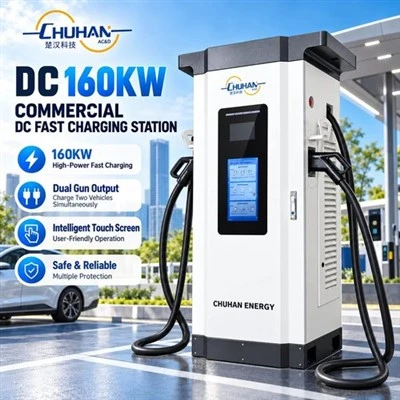
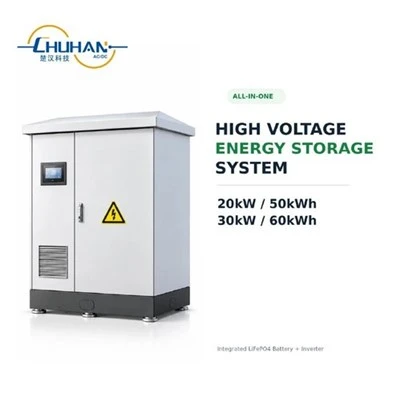
CHUHAN manufactures hybrid and off-grid inverters, LiFePO4 energy storage, and AC and DC EV chargers in our own factory in Yueqing, Zhejiang. If you share the points above, we can help you match the inverter, battery, and charger so the first quotation is one you can stand behind.
Website: https://www.chinachuhan.com/
Email: sales03@chinachuhan.com
WhatsApp: +86 189 6895 8968