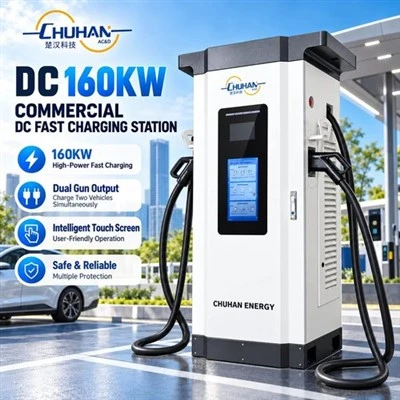
A parking lot is often the largest unused surface on a commercial site. A solar carport uses that space twice: it shades vehicles and it generates power. When the same site also needs EV charging, the two should be specified together - otherwise the chargers may end up drawing from an expensive or unreliable grid, or even from a diesel generator.
Why the two belong on one bill of materials
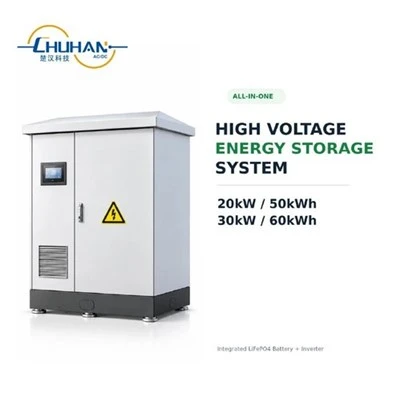
Charging an electric vehicle from diesel is costly and dirty. Charging from an unstable grid is unreliable. A carport array can supply daytime charging directly, and, if the project includes storage, hold energy for later use.
The structure matters too. Elevated panels on a carport can use reflected light from the ground, which is one reason bifacial modules are often considered for this type of installation. Combiner boxes, inverters, and chargers need a place to mount - usually the posts - so enclosure size, weather rating, and cable routes should be decided before the steel is built.
What a real commercial project ordered
In 2026, a multi-purpose stadium in Lagos, Nigeria, planned EV charging for staff and visitors, on a site where grid power is often available only 8 to 12 hours a day. The parking area was a natural fit for solar carports.
The project was specified as 70 sets. Each set included a 450W bifacial panel, a custom IP65 combiner box, a 30 kW three-phase inverter, and three 7 kW AC chargers, with GB/T-to-Type 2 adapters for the local plug standard. Across 70 sets, that is 31.5 kWp of PV and 210 chargers.
The first set shipped in April 2026 as a pilot. The remaining sets are planned to roll out over 6 to 12 months, with remote support on wiring diagrams and installation.
This is one project, not a template for every site. The right inverter size, charger count, and whether to add batteries depend on the load, the sun hours, and how the parking is used. The useful lesson is the method: treat the carport, the power conversion, and the chargers as one system.
What to send us if you are quoting a similar site
- Location and a rough parking layout
- How many charge points you need, and which plug standard (Type 2, Type 1, or other)
- Whether the grid is reliable, and if backup or storage is required
- Any plan to expand later
CHUHAN can help size the inverter and charger package, and we manufacture both in our own factory. If you are planning a stadium, commercial parking, or a depot, send the points above and we will help you build a specification you can quote with confidence.
Read the Lagos project summary: https://www.chinachuhan.com/news/a-nigerian-stadium-chose-solar-carports-why-85519666.html
Website: https://www.chinachuhan.com/
Email: sales03@chinachuhan.com
WhatsApp: +86 189 6895 8968