

Off-grid solutions empower remote industrial sites by delivering energy independence and reducing reliance on conventional fuels. Numerous businesses are turning to solar power systems to maintain stable operations and drive down expenses. This shift away from traditional grids and diesel generators stems from the need for dependable energy and the desire to cut fuel and maintenance costs. Furthermore, off-grid solar systems minimize carbon emissions and noise, fostering a cleaner working environment.
For remote operations, reliability remains paramount. The table below compares diesel generators with off-grid solar power systems equipped with energy storage:
| Factor | Diesel Generator | Off-Grid Solar + Storage |
|---|---|---|
| Reliability | Dependent on fuel supply and maintenance | High (when properly sized and configured) |
Key Takeaways
- Off-grid solar systems deliver dependable energy to remote industrial sites, ensuring seamless and uninterrupted operations.
- Transitioning to off-grid solar can reduce energy expenses by up to 70%, helping businesses save significantly on fuel and maintenance.
- These systems lower carbon emissions and noise pollution, making them an eco-friendly choice for sustainability-focused industries.
- Modular designs allow companies to effortlessly scale their solar setups as energy demands grow, ensuring both flexibility and efficiency.
- Investing in an off-grid solar power system yields substantial long-term savings and strong returns on investment, typically within 5 to 8 years.
Achieving Energy Independence with Off-Grid Solar
Delivering Reliable Power to Remote Industrial Facilities
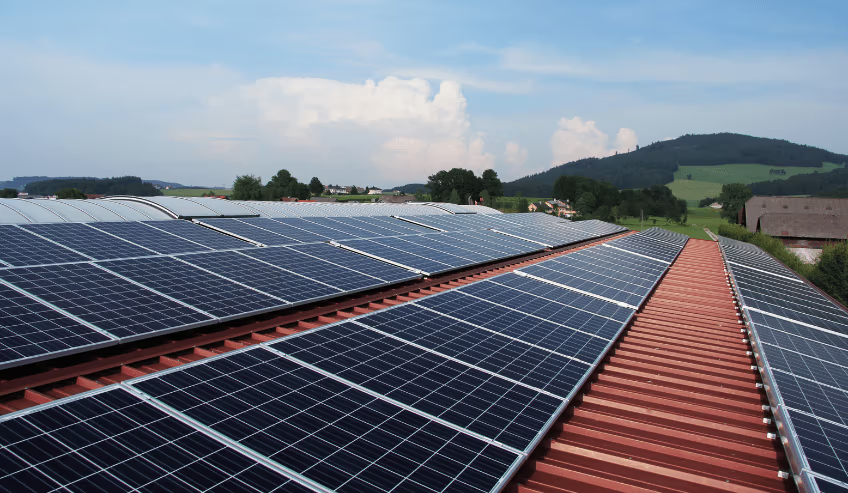
Off-grid solar solutions enable industrial facilities in isolated areas to operate continuously. These systems generate electricity via solar panels and store surplus energy in battery banks. Even during nighttime or periods of low sunlight, this setup guarantees a steady power supply. For instance, a mining company located over 200 kilometers from the nearest grid installed a solar system featuring 5 MW of solar panels and 20 MWh of lithium-ion battery storage. This initiative slashed fuel consumption by 65% and virtually eliminated downtime, allowing the company to achieve a positive ROI within five years. Such outcomes demonstrate that off-grid solar systems offer both operational stability and financial viability.
Solar panels in off-grid power systems are built to withstand harsh weather. Certified panels can resist hail and high winds, while hurricane-rated mounting brackets and robust designs protect the system in extreme conditions. Battery banks store energy for use during storms or cloudy days. A well-structured system ensures continuous equipment operation even during grid failures. Advanced battery energy storage systems manage supply and demand, guaranteeing uninterrupted power in remote locations.
Intelligent energy management systems can forecast energy needs and regulate battery charging cycles. This technology helps maintain stable operations and minimizes the risk of unexpected power outages.
Reducing Grid Dependency
Off-grid solar solutions allow businesses to bypass the risks and costs associated with grid reliance. Remote areas frequently face challenges like unstable grid connections or fuel shortages. Operating independently, off-grid systems do not require external power sources. Solar panels convert sunlight into electricity, and battery banks store the excess for later use. This approach ensures that remote industrial facilities can sustain operations even during grid blackouts or supply chain disruptions.
Switching to off-grid solar also helps companies lower operational expenses. By decreasing diesel dependency, businesses can save up to 70% on energy costs. Additionally, off-grid systems reduce carbon emissions and noise pollution, ensuring compliance with environmental regulations. These benefits make off-grid solar solutions both cost-effective and sustainable for long-term use.
Remote monitoring and advanced digital tools further enhance the value of off-grid systems. These technologies enable predictive maintenance and reduce the need for on-site personnel. Consequently, companies can optimize resource utilization more effectively and bridge local skill gaps.
Cost Savings with Off-Grid Solar Solutions
Lowering Operational and Fuel Costs
Industrial facilities in remote areas often face steep energy costs, primarily due to fuel transportation and generator maintenance. Off-grid solar solutions help these facilities drastically reduce energy expenses by generating and storing power on-site using solar panels and battery banks. This method eliminates the need for continuous fuel deliveries and mitigates the risk of price surges. For example, a mining facility in a remote desert region saw fuel costs drop by 65% after installing a solar power system. Many facilities report energy savings of up to 70% after transitioning from diesel generators to solar panels and battery banks.
The table below highlights the differences in installation and maintenance costs between diesel generators and solar PV systems:
| Energy Source | Installation Cost (per kWh) | Maintenance Cost (per kWh) | Total Energy Cost (per kWh) |
| Diesel Generator | High initial cost | High and highly variable | Up to $0.672 |
| Solar PV System | Significant capital expenditure | Minimal operational costs | $0.10 to $0.33 |
Once installed, solar panels provide free energy, while battery banks ensure power availability even during low-sunlight conditions. Maintenance costs for off-grid solar systems remain low, making this solution economically advantageous in the long run. When comparing long-term operational expenses, the cost-effectiveness of solar power becomes evident.
Long-Term Savings and Return on Investment (ROI)
Off-grid solar solutions deliver substantial economic returns for remote industrial facilities by eliminating grid electricity costs and insulating operations from volatile energy pricing. Declining photovoltaic (PV) module costs-down 82% since 2010-combined with modular scalability, enable enterprises to pay only for energy consumed while expanding capacity incrementally. Projects typically achieve payback within 5–8 years (location and scale dependent), with 150–500% ROI over a 30-year lifecycle. Crucially, battery banks provide blackout resilience during grid failures or natural disasters, ensuring uninterrupted operations. For critical infrastructure, this translates to lifetime operational savings of up to $44,000 per system. As a strategic solution, off-grid solar delivers reliable, cost-optimized, and scalable power-proving indispensable for long-term fiscal sustainability.
Environmental Impact Reduction
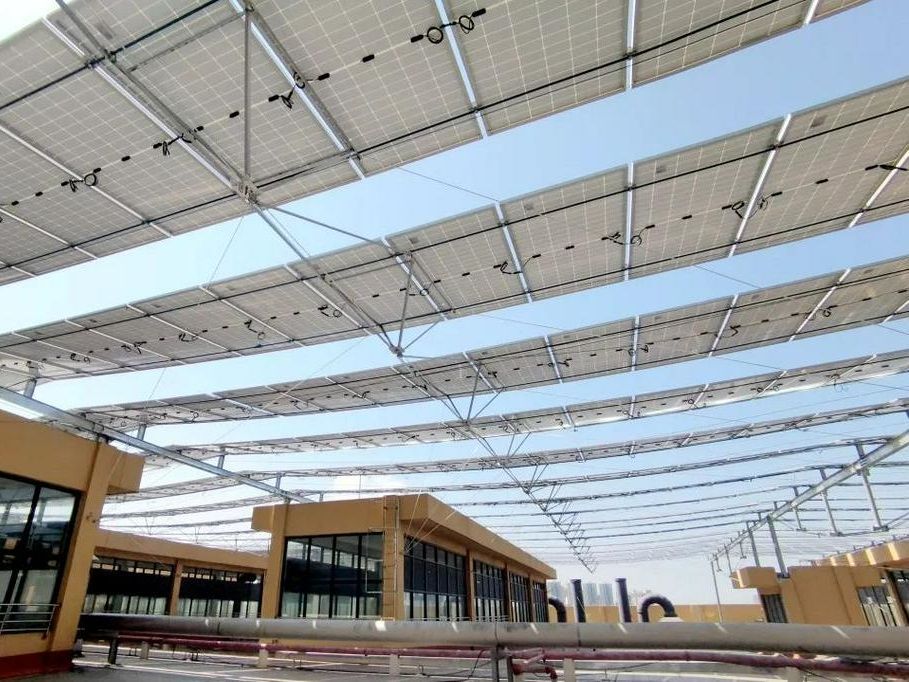
Off-grid solar systems significantly diminish the ecological footprint of remote industrial operations. By replacing diesel generators, these setups cut CO₂ emissions by up to 85% annually-equivalent to removing 200 passenger vehicles from roads per 1 MW installed. Noise pollution drops by 90% compared to conventional generators, creating safer workspaces near residential zones. Crucially, solar-powered operations eliminate fuel spill risks that contaminate soil and groundwater in ecologically sensitive areas. For example, an Australian mining project reduced its annual carbon output by 12,000 metric tons after transitioning to a 10 MW off-grid solar array with 40 MWh storage capacity. Regulatory compliance becomes streamlined as these systems inherently meet ISO 14001 environmental standards without additional modifications.
Scalability for Evolving Energy Demands
Modular architecture enables seamless system expansion as operational needs grow. Companies can initiate with a baseline 500 kW setup and incrementally add solar panels or battery banks without disrupting ongoing activities. This flexibility proves critical for industries like mining, where energy requirements may surge by 300% during new excavation phases. A case study from Chile's Atacama Desert demonstrates this: a copper mine began with a 2 MW solar-battery hybrid system, then expanded to 15 MW over three years by integrating additional modules. The payback period remained under 6 years despite scaling, as marginal costs for added capacity are 40% lower than initial installation. Cloud-based energy management platforms further optimize scalability by forecasting demand spikes and auto-adjusting storage allocation.
Real-World Application: Mining Sector
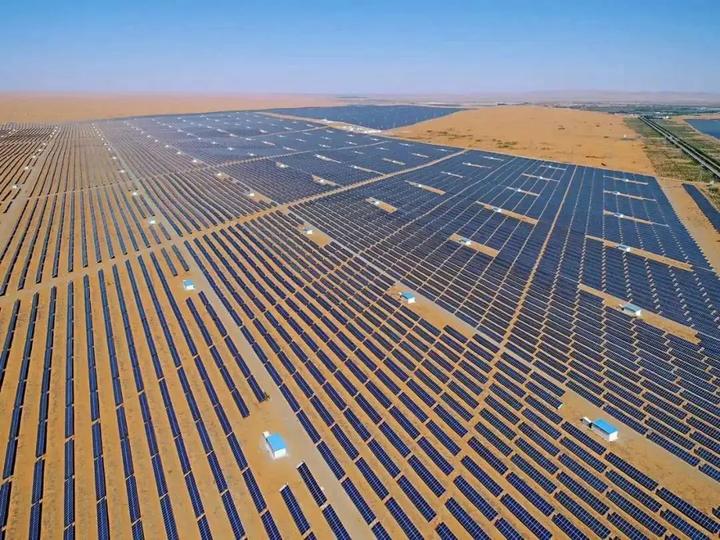
In Mongolia's Gobi Desert, a gold mining operation deployed a 7.5 MW off-grid solar system with 30 MWh lithium-titanate battery storage. The solution addressed three critical challenges:
- Fuel logistics: Eliminated 1,200 annual diesel truck deliveries across 300 km of unpaved terrain.
- Operational continuity: Maintained 99.8% uptime during winter months with temperatures below -30°C.
- Cost control: Achieved $220,000 monthly savings versus diesel-only operations.
Thermal management systems prevented battery degradation in extreme cold, while AI-driven load balancing prioritized power for critical machinery during peak demand. This project reduced the site's Levelized Cost of Energy (LCOE) from $0.58/kWh to $0.19/kWh-a 67% decrease that exceeded industry benchmarks.
Real-World Application: Telecommunications
Telecom towers in Indonesia's remote islands often faced 14+ hour blackouts monthly due to unstable diesel supply. An off-grid solar-battery solution (15 kW per tower with 60 kWh storage) resolved this by:
- Providing uninterrupted power for 4G/5G equipment during monsoon seasons.
- Cutting maintenance visits from 8 to 2 per year per tower through remote diagnostics.
- Extending tower lifespan by 12 years by eliminating generator vibration damage.
The system's automated voltage regulation prevented signal degradation, boosting network reliability from 82% to 99.6%. With installation costs recovered in 3.2 years, telecom operators now prioritize off-grid solar for new tower deployments across Southeast Asia.
FAQ
Q: How do off-grid systems perform during prolonged cloudy periods?
A: Modern battery banks (e.g., lithium-iron phosphate) store 3–7 days of reserve energy. Hybrid configurations with wind turbines or backup generators ensure 99.9% reliability even in low-sunlight regions.
Q: What is the typical lifespan of off-grid solar components?
A: Solar panels last 25–30 years; lithium batteries endure 10–15 years (5,000+ cycles). Inverter replacement is needed every 10 years. Properly maintained systems achieve 20+ year operational lifespans.
Q: Can these systems integrate with existing infrastructure?
A: Yes. Retrofit kits allow seamless connection to legacy diesel generators, enabling hybrid operation. Energy management software dynamically shifts between solar, battery, and generator sources based on real-time demand.


