A micro inverter is a small inverter attached to a single solar panel, converting that panel's DC power to AC right on the roof. A traditional string inverter does the opposite: it converts the combined output of an entire string of panels from one central box. That single architectural difference drives almost everything else-performance in shade, monitoring, safety, expansion, and cost-and it is the central decision when designing a solar array.
【图片1/4】微型逆变器产品图 -- 一台装在光伏板下方/背面的小型逆变器(单面板级别)
WHAT IS A MICRO INVERTER?
A micro inverter is a grid-tied inverter designed to serve one panel, or sometimes two to four panels. Each unit typically handles 250 to 1,000 watts and mounts directly beneath or behind its panel. Because every panel gets its own inverter, each panel operates independently-a sharp contrast with a string inverter, where all the panels in a series string are only as productive as the weakest one.
The two leading approaches today are Enphase's micro inverters and SolarEdge's power optimizers. Both achieve panel-level MPPT (maximum power point tracking), which lets each panel run at its own best operating point. The difference is where the DC-to-AC conversion happens: a micro inverter converts at the panel, while a power optimizer only conditions the DC and still relies on a central string inverter for the final conversion.
【图片2/4】微逆 vs 组串逆变器对比示意图 -- 微逆(每块板一个小逆变器) vs 组串(一串板共用一个中央逆变器)
HOW IT DIFFERS FROM A STRING INVERTER
In a string system, ten or fifteen panels are wired in series, and their combined high-voltage DC runs down to one central inverter. In a micro system, each panel's low-voltage DC is converted to AC at the panel itself, and only the usual household AC voltage leaves the roof. That architectural difference is the root of all the advantages and disadvantages below.
ADVANTAGES OF MICRO INVERTERS
1. Shading tolerance. With a string inverter, one shaded or dirty panel drags down the whole string. With micro inverters, a shaded panel only affects itself, so the rest of the array keeps producing. This is the biggest practical advantage, and it can recover a meaningful share of output-often estimated at 5 to 25 percent-on partly shaded roofs.
2. Panel-level monitoring. Each micro inverter reports its own output, so you can see exactly which panel is underperforming. A string inverter can only tell you the whole string is down, which makes fault-finding much slower.
3. Easier expansion. Adding panels later is simple: just add another panel and another micro inverter. A string inverter, by contrast, has to be sized for the whole array up front, and adding panels may mean replacing the inverter.
4. Lower DC voltage. Because conversion happens at the panel, a micro inverter system avoids the long run of high-voltage DC across the roof, which is a genuine safety benefit during installation, maintenance, and firefighting.
【图片3/4】遮挡场景示意图 -- 一块板被树荫/落叶遮挡,其余板正常发电(微逆只有被挡那块减产)
DISADVANTAGES OF MICRO INVERTERS
1. Higher cost. Micro inverters typically cost more per watt than a string inverter-roughly 10 to 20 percent more for a typical residential system-because you are buying many small inverters instead of one big one.
2. More devices. A 20-panel system has 20 micro inverters sitting on the roof, which means more electronic components exposed to heat and weather, and more potential points of failure over the system's life.
3. Harder service. When a micro inverter fails, someone has to go up on the roof to replace it, whereas a string inverter is a single box that can be swapped at ground level.
WHEN TO CHOOSE A MICRO INVERTER
Micro inverters earn their extra cost when your roof has partial shading-from trees, chimneys, dormers, or neighboring buildings-or when panels face in multiple directions. They are also a good fit if you value per-panel monitoring, or if you plan to expand the system gradually over time.
A string inverter is usually the more economical choice for a large, unshaded, single-orientation roof where every panel sees the sun at the same time. On those roofs, panel-level MPPT buys little, because all the panels behave the same anyway.
【图片4/4】使用场景图 -- 有局部遮挡/多朝向的住宅屋顶光伏(适合微逆的场景)
FAQ

Q: How long do micro inverters last?
Q: Are micro inverters more efficient than string inverters?
Q: Can I mix micro inverters with different panel sizes?
Q: Are micro inverters safe?
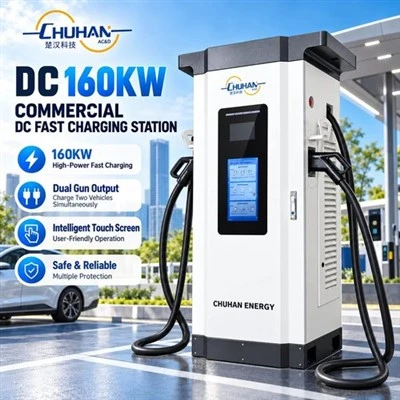
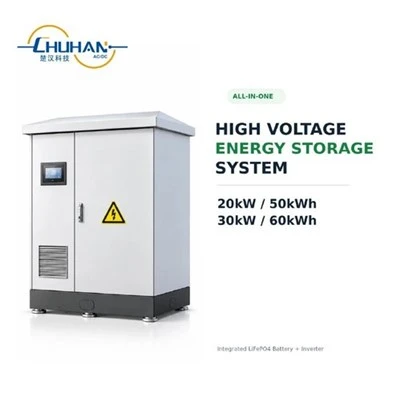
The transition to electric mobility is an irreversible trend, and robust infrastructure is the cornerstone supporting this shift. At Wenzhou Chuhan Technology, we are proud to be a Tier-1 integrator and source manufacturer in the new energy sector.
Whether you are an operator, distributor, or individual buyer, and whether you require highly reliable EV Chargers, efficient Solar Inverters, or durable Energy Storage Systems, we provide highly competitive hardware and customized solutions tailored to your needs.
Contact us today to get our latest product catalog and an exclusive quote. Let's empower global sustainable transportation together.
Phone Number
+86 62861005
sales01@chinachuhan.com