A home battery backup is a rechargeable battery system that stores electricity for your house. It can keep essential appliances running during a blackout, store surplus solar power for use at night, and-in some markets-save money by charging when electricity is cheap and discharging when it is expensive. Prices have fallen sharply over the past decade, which is why batteries are now a mainstream home upgrade rather than a luxury.

WHAT IS A HOME BATTERY BACKUP?
A home battery is essentially a large rechargeable battery-almost always lithium iron phosphate (LiFePO4) today-paired with an inverter that converts its DC power to the AC your home uses. It sits between your solar panels (if you have them) and your home, storing energy when there is a surplus and releasing it when there is a shortfall.
Most systems range from about 5 kWh to 15 kWh of usable capacity. For comparison, an average home uses roughly 10 to 30 kWh per day, depending on climate and size, so a single battery is usually sized to run the essentials-lights, refrigerator, router, and a few outlets-rather than the entire house.
WHY INSTALL ONE? THREE REASONS

1
Backup power
Backup power. The most common reason is resilience. When the grid goes down, a battery can automatically switch in within a fraction of a second and keep critical loads running. This matters more as extreme weather makes outages more frequent and longer.
2
Solar self-consumption
Solar self-consumption. Without a battery, the solar power your panels produce at midday is either used immediately or exported to the grid-often for little money. A battery lets you store that midday surplus and use it in the evening, when the sun is down and electricity is expensive.
3
Time-of-use savings
Time-of-use savings. In areas with time-of-use pricing, a battery can charge from the grid when power is cheap and discharge when it is expensive, cutting your bill even without solar panels.
HOW IT WORKS WITH SOLAR
A battery backup works cleanly with a solar array. During the day, the solar panels first power your home directly; any surplus charges the battery; and once the battery is full, the rest can be exported to the grid. At night, the battery discharges to power your home. During a grid outage, the system islands itself-disconnecting from the grid-and runs your essential loads from the battery, recharged each day by the panels.
This "islanding" is why a battery plus solar is much more useful than either alone: the battery keeps you running through the night, and the solar keeps the battery topped up for as long as the outage lasts.
HOW TO SIZE A HOME BATTERY
The right size depends on what you want to power and for how long. Start by listing your essential loads-a refrigerator, a few lights, the router, and maybe a well pump-and adding up their wattage. A 10 kWh battery can typically run those essentials for about a day, and longer if the sun recharges it each day.
For whole-home backup, you will likely need 20 kWh or more, or multiple batteries. Many homeowners start with one module and add a second later, since most systems are designed to be expandable.
COST AND INCENTIVES
A home battery is a meaningful investment, but prices have fallen roughly 89 percent since 2010, according to BloombergNEF, and incentives help. In the United States, the federal Residential Clean Energy Credit provides a 30 percent tax credit for qualifying battery storage. Other countries and utilities offer their own rebates, so it is worth checking what is available where you live.

FAQ

Q: How long can a home battery power my house during an outage?
Q: Can I use a home battery without solar panels?
Q: How long does a home battery last?
Q: Is a home battery safe?
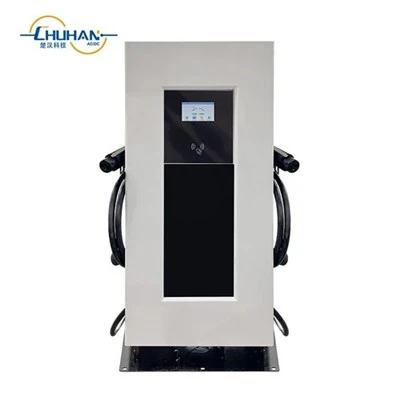
The transition to electric mobility is an irreversible trend, and robust infrastructure is the cornerstone supporting this shift. At Wenzhou Chuhan Technology, we are proud to be a Tier-1 integrator and source manufacturer in the new energy sector.
Whether you are an operator, distributor, or individual buyer, and whether you require highly reliable EV Chargers, efficient Solar Inverters, or durable Energy Storage Systems, we provide highly competitive hardware and customized solutions tailored to your needs.
Contact us today to get our latest product catalog and an exclusive quote. Let's empower global sustainable transportation together.
Phone Number
+86 137 5889 3452
sales07@chinachuhan.com