

Brief Summary:
While EVs require less maintenance than gasoline vehicles, routine care remains essential. Though oil changes and engine servicing are unnecessary, regular checks of tires, brakes, suspension, cooling systems, and software updates are critical for safety and performance.
Proactive inspections protect efficiency and battery life: Monthly tire checks, periodic rotations, annual fluid/battery inspections, and proper charger maintenance preserve range, reliability, and warranty coverage.
Smart charging and preventive care reduce long-term costs: Keeping charge levels between 20%–80%, limiting frequent fast charging, and adhering to structured maintenance schedules extend battery lifespan and maximize cost savings over time.

Why EV Maintenance Still Matters
EVs eliminate the need for engine oil, fuel systems, exhaust components, and many traditional wear items. However, they still rely on critical systems requiring regular attention:
- Battery packs and thermal management systems
- Electric motors and power electronics
- Suspension components (bearing extra battery weight)
- Brake pads/disks
- Advanced digital safety systems (sensors, cameras, ADAS)
Neglecting maintenance risks:
- Reduced driving range
- Unreliable charging
- Premature battery degradation
- Voided warranties
- Compromised safety
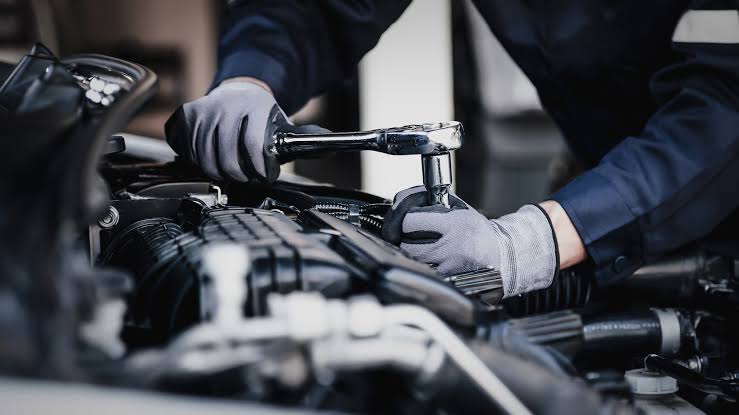
Monthly Maintenance Checklist
1. Tire Pressure & Condition
Check pressure monthly (accounting for EV weight's impact on rolling resistance).
Inspect tread depth, uneven wear, sidewall damage, or embedded debris.
Why it matters: Proper inflation preserves range, ensures safety, and prevents uneven suspension stress.
2. Lights & Safety Systems
Test headlights, brake lights, turn signals, and backup cameras.
Clean sensors/radars for ADAS functionality.
Why it matters: Digital safety systems require unobstructed operation.
3. Windshield Washer Fluid & Wipers
Top up fluid; replace cracked/worn wiper blades.
Why it matters: Critical visibility in adverse weather.
4. Charging Equipment
Inspect cables for fraying, connectors for corrosion, and ports for debris.
Verify stable charging sessions (no unexpected interruptions).
Tip: Use reliable home chargers (e.g., Level 2 units) for slower, cooler charging vs. frequent DC fast charging.
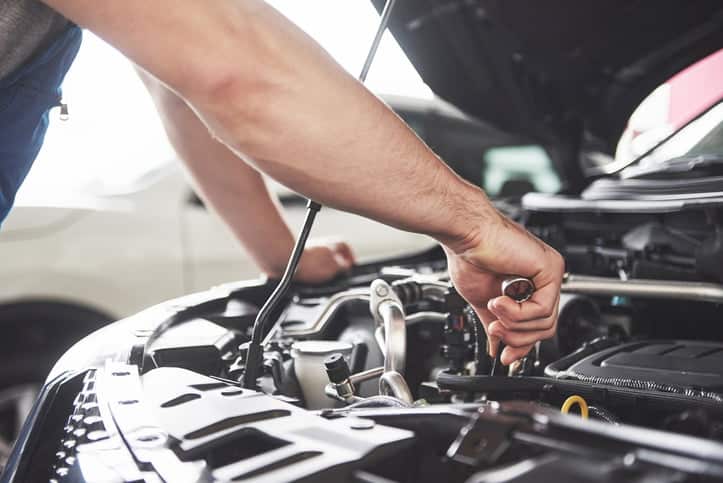
Monthly Maintenance Checklist
5. Tire Rotation
Rotate tires every 5,000–7,500 miles to counteract EV weight and instant torque wear.
Why it matters: Extends tire life, maintains handling, and improves efficiency.
6. Brake System
Check pads, rotors (for rust), and brake fluid levels.
Note: Regenerative braking reduces wear, but friction brakes remain vital for emergencies.
7. Suspension & Steering
Listen for unusual vibrations/noises; inspect for uneven tire wear.
Why it matters: Battery weight accelerates suspension component stress.
8. Cabin Air Filter
Replace every 15,000–20,000 miles (per manual).
Why it matters: Ensures HVAC efficiency and cabin air quality.
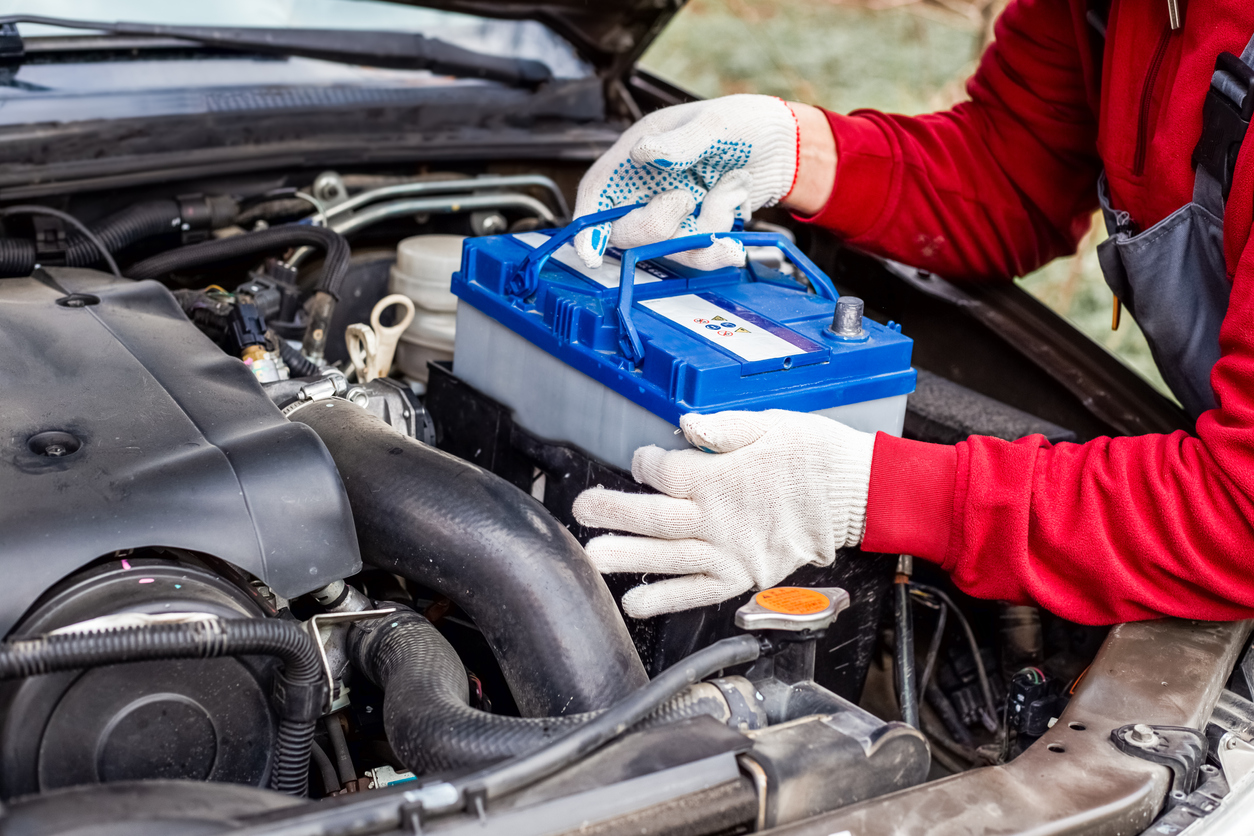
Annual/Battery-Centric Maintenance
1. 12-Volt Auxiliary Battery
Test voltage annually. A failed 12V battery can disable the entire vehicle.
2. Cooling System
Verify coolant levels for battery/motor thermal management.
Critical for: Preventing overheating during fast charging or high-load driving.
3. Brake Fluid
Replace per manufacturer schedule (typically every 2 years).
Why: Brake fluid absorbs moisture over time, reducing effectiveness.
4. Battery Longevity Strategies
Avoid 100% charges: Keep daily levels at 20–80%.
Limit DC fast charging: Use home AC charging for routine top-ups.
Park in shade: Extreme heat accelerates battery degradation.
Monitor health: Use built-in SOH (State of Health) reports.
Seasonal Considerations
Cold Weather:
Check tire pressure more frequently (cold reduces PSI).
Maintain >20% charge to offset temporary range loss.
Hot Weather:
Avoid prolonged 100% charging; park in shade.
Ensure cooling system integrity.

EV vs. Gas Vehicle Maintenance Costs
| Task | Gas Vehicle | EV |
|---|---|---|
| Oil changes | ✓ (Every 5k mi) | ✗ |
| Spark plug replacement | ✓ | ✗ |
| Exhaust system | ✓ | ✗ |
| Tire rotation | ✓ | ✓ |
| Brake fluid replacement | ✓ | ✓ |
| Battery thermal checks | ✗ |
✓ |
EV maintenance costs average ~1/3 less than gas vehicles long-term.
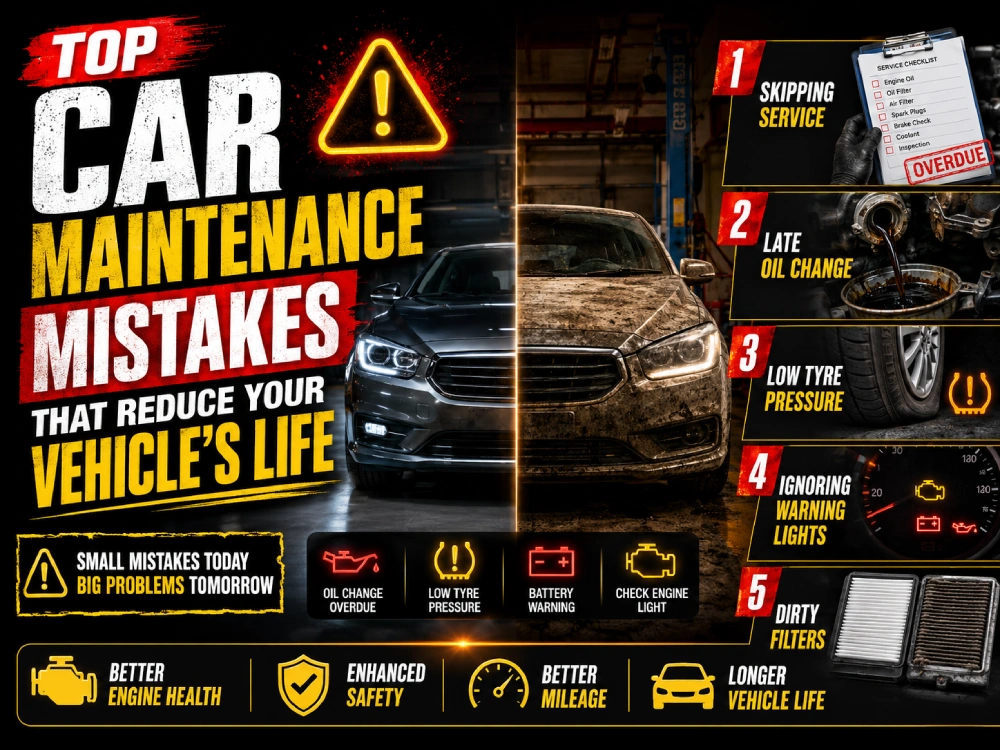
Critical Mistakes to Avoid
Frequent 100% charging → Accelerates battery wear.
Overusing DC fast charging → Generates excess heat.
Skipping tire rotations → Uneven wear due to EV weight.
Ignoring brake fluid changes → Moisture compromises safety.
Delaying software updates → Misses critical safety/performance patches.
Final Thoughts
EVs simplify maintenance by eliminating engines and fuel systems, but proactive care is non-negotiable for:
- Maximizing battery lifespan (typically 12–15 years)
- Preserving driving range and safety systems
- Honoring warranty terms
- Ensuring long-term cost savings
To achieve faster yet controlled home charging, devices like the ACT-NAC-11KW-W allow owners to charge efficiently while reducing reliance on public fast chargers. Many owners also explore a wider range of DC and AC charging station options to meet their work and home energy needs. For drivers requiring flexible charging for travel, the ACT-PAC 3.5KW is an excellent choice, supporting various socket types to help maintain stable energy flow in different environments.
FAQ
Q: How often should EV maintenance be performed?
A: Monthly visual checks; tire rotations every 5k–7.5k miles; cabin filter every 15k–20k miles; full inspection annually.
Q: How does EV maintenance differ from gas cars?
A: No oil/fuel/exhaust servicing, but tires, brakes, suspension, fluids, and digital systems still require attention.
Q: What charging habit most impacts battery life?
A: Frequent 100% charges and excessive DC fast charging. Stick to 20–80% for daily use.
The transition to electric mobility is an irreversible trend, and robust infrastructure is the cornerstone supporting this shift. At Wenzhou Chuhan Technology, we are proud to be a Tier-1 integrator and source manufacturer in the new energy sector.
Whether you are an operator, distributor, or individual buyer, and whether you require highly reliable EV Chargers, efficient Solar Inverters, or durable Energy Storage Systems, we provide highly competitive hardware and customized solutions tailored to your needs.
Contact us today to get our latest product catalog and an exclusive quote. Let's empower global sustainable transportation together
WhatsApp:
+86 173 6959 1971
sales07@chinachuhan.com



